Multiple Goals
The COIN Project explores how collegiate courts across Europe reach shared decisions, and what this reveals about law, reasoning, and collective thinking. To explore this, the COIN Project focuses on three core goals:
- Map the Courts: Which courts make decisions as a group? How are they structured? What makes them comparable across Europe?
- Understand the Decisions: What gives a ruling its legal authority? How is collective intentionality reflected (or hidden) in the way judges justify their outcomes?
- Listen to Judges: What do judges say about collaboration, debate, and compromise? Do they really “think together” — and how?
Through interviews, case analysis, and court observations, COIN brings together philosophy, law, and sociology to understand how legal decisions are built—not alone, but collectively.

An Innovative Methodology
COIN doesn’t just compare laws on paper — it dives into how collective decisions actually happen in courts across Europe. By combining practical philosophy with sociological fieldwork, the project bridges theory and real-world judicial practice.
We read rulings, study doctrines, and interview judges. But we also observe courts in action, capturing how legal decisions emerge from discussion, disagreement, and collaboration. This mix of conceptual analysis and qualitative research offers not only a deeper theory of collective intentionality, but also a concrete and realistic view of how judges work together — not just in principle, but in practice.

Within the European Context
COIN is built on a truly pan-European foundation, involving judges from multiple EU jurisdictions and working directly with national courts. This isn’t just a theoretical exercise — it’s based on fieldwork and real conversations with those who shape justice every day.
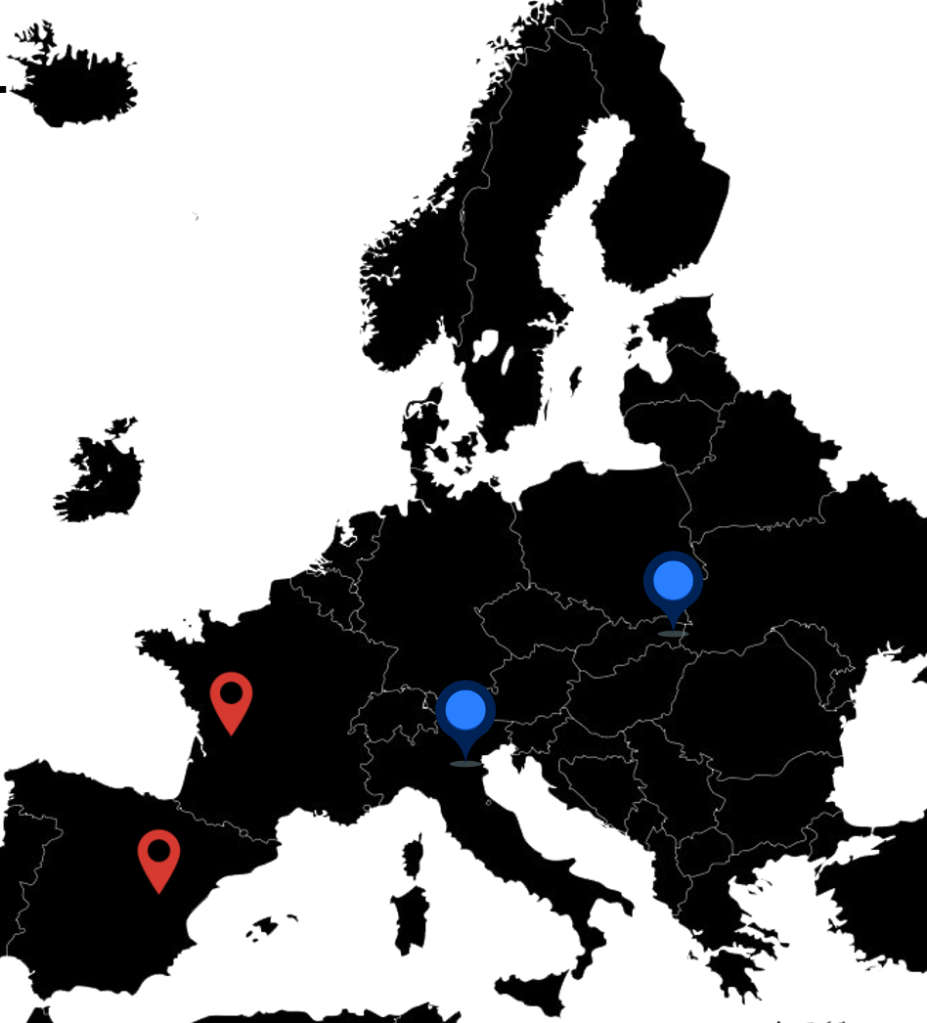
So far, interviews have been completed at the Krajský súd v Košiciach (Slovakia) and the Tribunale di Padova (Italy), offering first-hand insights into how collective decisions are made in different legal systems.
In the coming months, courts from other European countries will join the project, deepening its comparative reach. By engaging with judges across Europe, COIN sheds light on how participation, debate, and collective reasoning work in practice — revealing a shared, but diverse, legal reality.
An Amazing sampling
The COIN project focuses on a select group of collegiate courts known for their complex, collaborative decision-making. These courts are unique because judges don’t decide alone but engage in a shared reasoning process that shapes collective judgments.
To connect with these courts, we use snowball sampling — starting with a few key contacts who introduce us to others within their judicial networks. This method helps us access hard-to-reach judicial circles and gain a front-row view of how individual judges come together to form collective decisions in practice.

 Home
Home 